Betty Boop: Training Pigeons (1936)
About This Cartoon
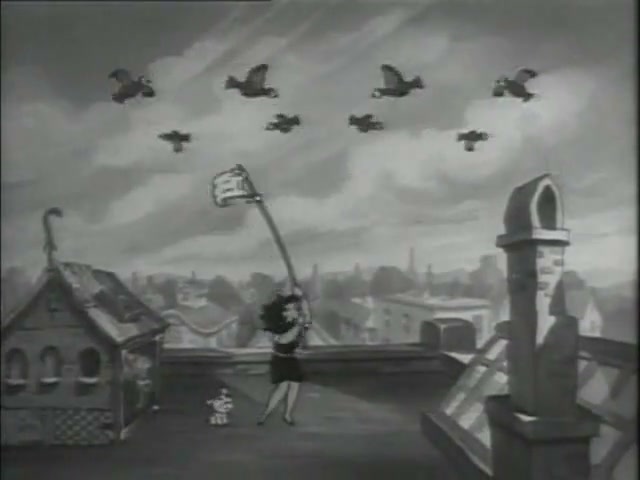
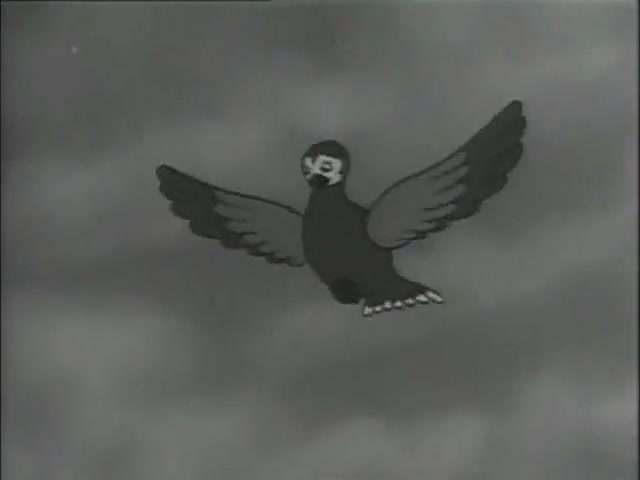
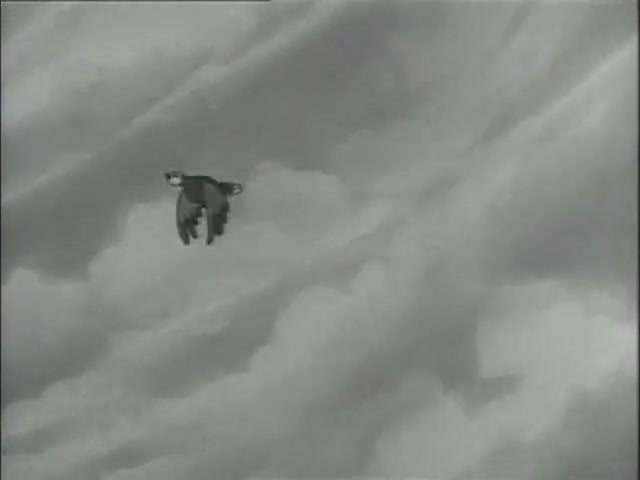
Training Pigeons centers on a gentle rooftop routine where Betty Boop tends to her flock of pigeons, creating a calm and domestic opening that reflects her nurturing personality. The peaceful setting quickly shifts when one stubborn bird refuses to cooperate, sending Pudgy the pup into an overconfident chase that spirals far beyond the safety of home. What begins as a simple attempt to gather the birds becomes a small adventure that carries Pudgy from the familiar city surroundings into a wooded area, giving the short a playful contrast between urban rooftops and quiet nature. The premise stays light and approachable, built around the idea that even the smallest disruptions can lead to unexpected journeys. The characters are animated with the expressive elasticity typical of Fleischer Studios, where every movement feels lively and slightly exaggerated for comedic effect. Betty remains the calm center of the story, her gentle manner contrasting with Pudgy’s eager but clumsy determination. The animation emphasizes Pudgy’s imagination and physical humor, using squash‑and‑stretch motion, quick reactions, and visual gags to highlight his struggle to outsmart a surprisingly clever pigeon. The pacing is brisk, moving smoothly from rooftop antics to woodland misadventures without lingering too long on any single moment. Humor comes from character behavior rather than dialogue, relying on visual timing, personality-driven reactions, and the contrast between Pudgy’s ambitions and his actual abilities. Produced during the mid‑1930s, the short reflects a period when the studio was refining its approach to character‑based storytelling, giving supporting figures like Pudgy more screen time and emotional presence. Its black‑and‑white aesthetic, rhythmic movement, and focus on everyday scenarios transformed into gentle comedy make it a representative example of the era’s theatrical animation. Today, the cartoon remains notable for its warm portrayal of Betty and Pudgy’s relationship, its clean and expressive animation, and its ability to turn a simple rooftop chore into a charming slice of classic cartoon storytelling.
Metadata
- Title: Betty Boop: Training Pigeons
- Year: 1936
- Studio: Fleischer Studios
- Runtime: 6m 27s
Related Cartoons
Support the Archive
These links help support the site at no extra cost.
Search this cartoon on AmazonSearch this cartoon on eBay