Bosko: Bosko at the Beach (1932)
About This Cartoon
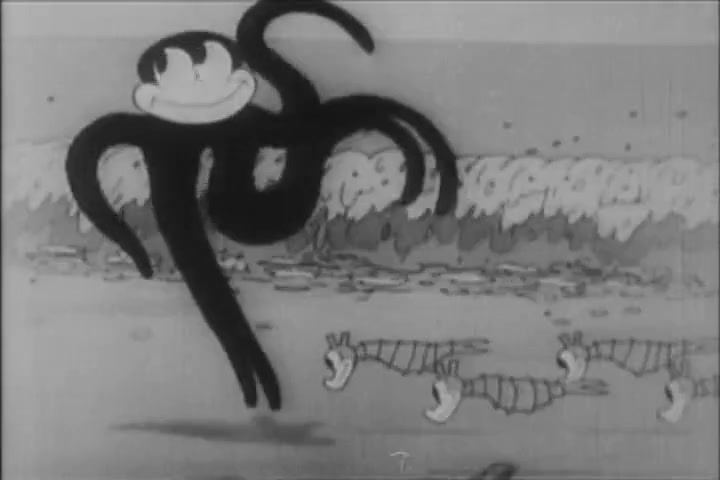
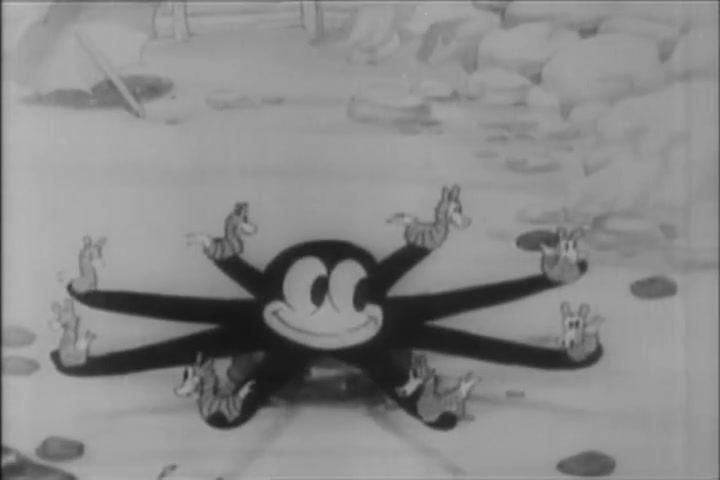
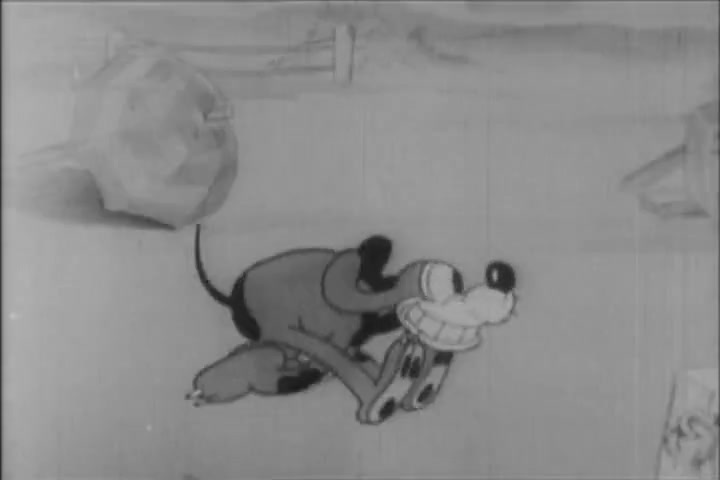
Bosko at the Beach unfolds on a lively shoreline where music, movement, and playful seaside activity shape the atmosphere from the very first moments. The short follows Bosko as he works as a cheerful hot‑dog vendor, weaving through a beach filled with dancing sea creatures, energetic waves, and the kind of whimsical chaos that defined early animated comedy. His day becomes more complicated when Honey and her kitten Wilber arrive, adding a gentle domestic thread to the otherwise free‑flowing beach setting. The cartoon builds its premise around simple summertime fun, letting the environment itself become a source of both charm and trouble as characters interact with the unpredictable surf and the bustling shoreline. The animation reflects the early 1930s style associated with Harman and Ising’s work, where characters move with rhythmic elasticity and the world around them seems constantly alive. Bosko’s expressive reactions, Honey’s musical warmth, and Wilber’s timid encounters with the waves all contribute to a steady stream of personality‑driven humor. Even Bruno the dog adds to the comedic pacing, shifting from loyal companion to over‑enthusiastic helper as he tries to keep up with the unfolding antics. The visual tone leans heavily on musical timing, fluid motion, and imaginative gags, including dancing sea life and exaggerated physical comedy that plays out in quick, energetic beats. The pacing remains brisk but never frantic, allowing each gag to land while keeping the story in constant motion. Historically, the short represents an early period of the Looney Tunes series, before the arrival of the more widely recognized characters who would later define the brand. It showcases the studio’s experimentation with musical structure, character‑driven humor, and the blending of natural settings with surreal animation. Today, the cartoon stands out as a snapshot of the formative years of theatrical animation, offering a look at how early animators used music, movement, and simple storytelling to create lively, engaging shorts. Its beachside setting, spirited characters, and inventive visual gags continue to make it an appealing piece of animation history.
Metadata
- Title: Bosko: Bosko at the Beach
- Year: 1932
- Studio: Looney Tunes
- Runtime: 6m 41s
Related Cartoons
Support the Archive
These links help support the site at no extra cost.
Search this cartoon on AmazonSearch this cartoon on eBay