Felix the Cat: Felix Revolts (1923)
About This Cartoon
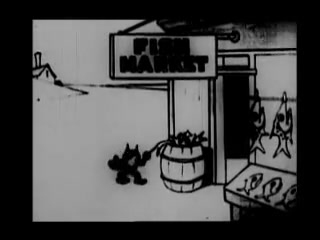
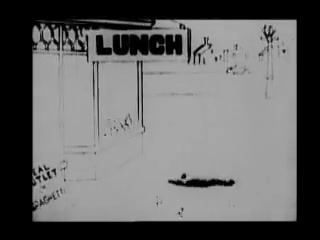
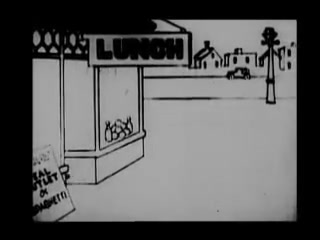
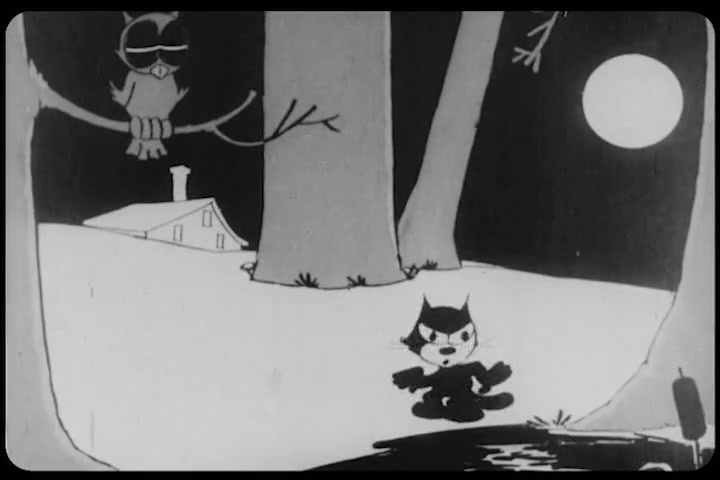
Felix Revolts begins with Felix wandering through town in search of something to eat, only to be met with hostility at every turn. After being chased from a fish market and given a painful dose of mustard at a restaurant, he overhears a speech at City Hall declaring that cats are a nuisance and should be driven out. This moment becomes the catalyst for the cartoon’s central premise: a fed‑up Felix deciding to rally the town’s cats and push back against the unfair treatment they’ve endured. What starts as a simple struggle for food transforms into a spirited uprising, with Felix organizing his fellow felines into a unified force determined to make their voices heard. The animation reflects the expressive, rubber‑hose style of early 1920s silent cartoons, where characters communicate through bold gestures, exaggerated reactions, and fluid motion rather than dialogue. Felix’s personality shines through his confident strut, quick improvisation, and ability to turn frustration into action. The humor is driven by visual gags and rhythmic timing, from the cats’ coordinated “concert” on a fence to the clever tricks Felix uses to disrupt the town’s routines. The pacing moves briskly, shifting between moments of slapstick, clever reversals, and scenes where the cats’ collective mischief forces the townspeople to reconsider their harsh stance. Even without sound in its original form, the short maintains a lively tempo through repeated visual motifs and energetic staging. Historically, the cartoon stands out as an example of Felix at the height of his silent‑era popularity, showcasing the character’s evolution into a symbol of resilience and clever rebellion. Produced during a time when animated shorts were experimenting with more structured narratives, it demonstrates how early animators used personality-driven storytelling to elevate simple premises into memorable comedic episodes. Today, the film remains notable for its spirited depiction of solidarity among the town’s cats, its inventive visual humor, and its place within the formative years of character animation. Its blend of social satire, expressive motion, and early cartoon charm continues to make it a compelling piece of animation history.
Metadata
- Title: Felix the Cat: Felix Revolts
- Year: 1923
- Studio: Van Beuren Productions
- Runtime: 8m 16s
Related Cartoons

Support the Archive
These links help support the site at no extra cost.
Search this cartoon on AmazonSearch this cartoon on eBay