Betty Boop: Betty Boop and Grampy (1935)
About This Cartoon
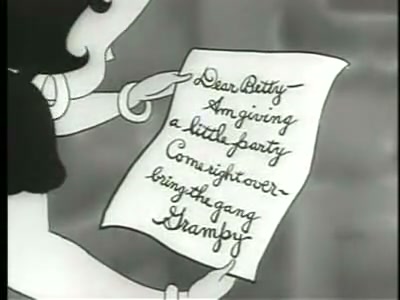
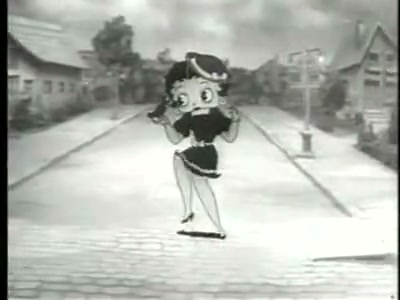
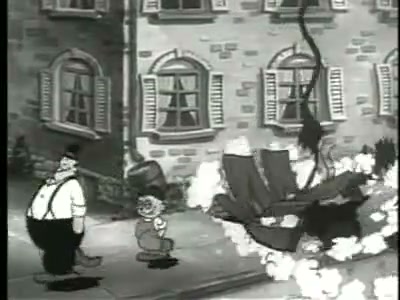
Betty Boop and Grampy is a 1935 Fleischer Studios short that introduces audiences to Grampy, the cheerful, gadget‑loving inventor who would become one of the most memorable supporting characters in the Betty Boop series. The cartoon begins with Betty receiving an invitation to a party at Grampy’s home, and as she happily makes her way there, she gathers an ever‑growing group of people who abandon their daily tasks to join the fun—a detail confirmed by contemporary plot summaries . This simple premise sets the stage for a lighthearted celebration built around music, invention, and the warm sense of community that often defines Betty’s world. The short’s animation reflects Fleischer Studios’ expressive black‑and‑white style of the mid‑1930s, with fluid character motion, rubber‑hose elasticity, and a strong emphasis on personality‑driven humor. Grampy’s home becomes the centerpiece of the cartoon’s visual creativity, filled with whimsical, Rube Goldberg‑style contraptions that transform everyday objects into musical instruments and party conveniences—an aspect highlighted in production notes describing his inventive nature . Betty’s upbeat presence and Grampy’s boundless enthusiasm create a lively dynamic, while the guests’ reactions and the energetic musical number “Hold That Tiger” contribute to the cartoon’s rhythmic pacing. The humor arises from the imaginative machinery, the escalating excitement of the party, and the contrast between Grampy’s tireless energy and the guests who eventually collapse from dancing while he continues joyfully. Viewed today, Betty Boop and Grampy stands as an important milestone in the series, marking the first appearance of Grampy and establishing the inventive personality that would define his later roles. Released in 1935 and directed by Dave Fleischer, the short reflects a period when the studio was experimenting with character‑centric storytelling and musical integration, blending everyday settings with imaginative mechanical gags that became a Fleischer hallmark . Its public domain availability through archival sources has helped preserve it for modern audiences, allowing viewers to appreciate its historical significance, its inventive spirit, and its snapshot of Depression‑era animation culture. The cartoon remains notable for its joyful tone, its clever use of music and machinery, and its introduction of a character who would become a beloved part of Betty Boop’s animated world.
Metadata
- Title: Betty Boop: Betty Boop and Grampy
- Year: 1935
- Studio: Fleischer Studios
- Runtime: 6m 58s
Related Cartoons
Support the Archive
These links help support the site at no extra cost.
Search this cartoon on AmazonSearch this cartoon on eBay