Betty Boop: Is My Palm Read (1932)
About This Cartoon
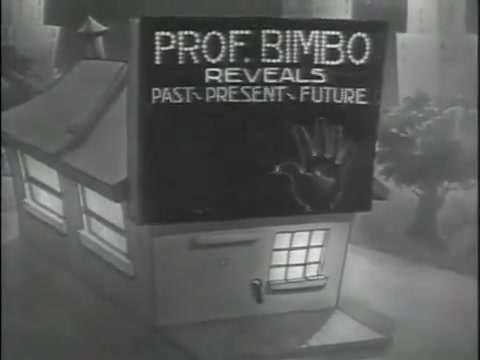
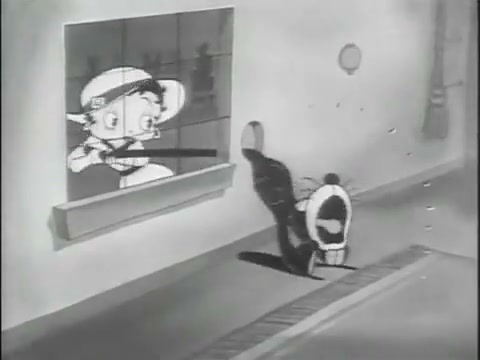
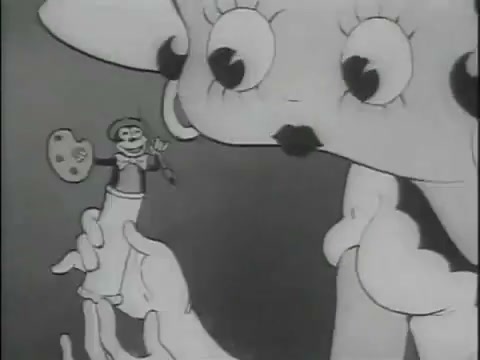
Betty Boop’s Is My Palm Read is a 1932 Fleischer Studios short built around a whimsical and slightly eerie visit to a fortune‑teller’s parlor, where Betty seeks insight into her future and instead finds herself swept into a surreal adventure. Verified summaries describe the fortune teller—identified in later sources as Professor Bimbo—as using his crystal ball to conjure visions that transport Betty into a fantastical scenario involving a haunted tropical island populated by mischievous ghosts and unpredictable magical forces . This imaginative setup allows the cartoon to shift rapidly between the cozy intimacy of the fortune‑telling shop and the wild, dreamlike landscapes that unfold within the crystal ball’s visions, creating a playful contrast between the ordinary and the supernatural. The animation reflects Fleischer Studios’ early‑1930s style, marked by fluid rubber‑hose movement, expressive character reactions, and a willingness to bend physical reality for comedic effect. Contemporary descriptions highlight the cartoon’s constant stream of visual gags, including anthropomorphic waves, smoke that forms words, and inanimate objects springing to life—hallmarks of Fleischer’s pre‑Code creativity . Betty’s charm and musicality remain central to the short, while Bimbo’s role as both fortune teller and heroic figure within the vision adds a layer of playful duality. The pacing is brisk and energetic, with each supernatural encounter escalating the humor and surrealism without lingering on any single moment for too long. Viewed today, Is My Palm Read stands as a vivid example of Fleischer Studios’ inventive spirit during the pre‑Code era, when animators freely explored risqué humor, fantasy, and experimental visual ideas before stricter content guidelines took effect. The short’s blend of music, supernatural imagery, and bold visual imagination reflects a period when animation was rapidly evolving and pushing artistic boundaries. Its public domain availability through archival sources ensures that modern audiences can continue to appreciate its historical significance, its inventive visual language, and its snapshot of Betty Boop at a time when she embodied the playful, boundary‑pushing creativity of early American animation.
Metadata
- Title: Betty Boop: Is My Palm Read
- Year: 1932
- Studio: Fleischer Studios
- Runtime: 6m 34s
Related Cartoons
Support the Archive
These links help support the site at no extra cost.
Search this cartoon on AmazonSearch this cartoon on eBay