Betty Boop: Betty Boop for President (1932)
About This Cartoon
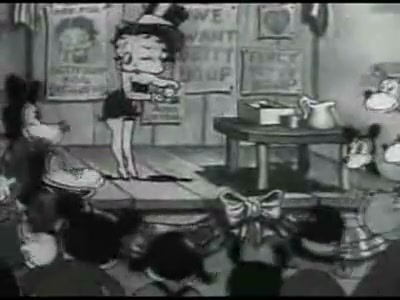
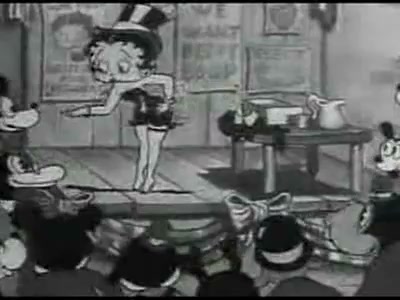
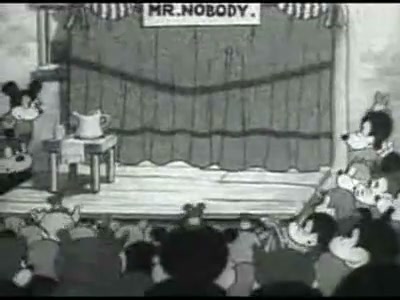
Betty Boop steps into the political spotlight in this lively musical satire, presenting a whimsical campaign built around charm, optimism, and the promise of a brighter future. The cartoon frames her run for office as a spirited contest against the elusive Mr. Nobody, using a stage-like setting where each candidate expresses their platform through rhythmic performances and visual metaphors. The premise is simple but engaging: Betty embodies a hopeful, people‑focused vision, while her opponent represents the frustrations of empty promises, giving the short a playful yet pointed narrative hook that audiences can follow with ease. The characters are drawn with the expressive elasticity typical of early Fleischer animation, allowing their personalities to shine through exaggerated poses, fluid gestures, and musical timing. Betty’s design emphasizes her trademark blend of innocence and confidence, and her movements are synchronized to the upbeat score that drives much of the humor. The pacing is brisk, with gags unfolding through dance routines, symbolic props, and quick visual transitions rather than extended plot sequences. The humor leans into light political parody, using caricature and clever visual cues to comment on civic themes without becoming heavy‑handed. Even the supporting figures, though briefly seen, contribute to the energetic atmosphere through their reactions and participation in the musical set pieces. Produced during a period when animation was rapidly evolving, the short reflects the Fleischer studio’s commitment to blending music, satire, and technical innovation. Released in the early 1930s, it captures the cultural mood of an era marked by economic uncertainty and shifting public expectations, making its playful take on political campaigning especially resonant. Today, the cartoon remains notable for its boldness in addressing contemporary issues through entertainment, as well as for showcasing Betty Boop at the height of her cultural influence. Its combination of rhythmic storytelling, expressive animation, and gentle social commentary continues to make it an intriguing artifact of early American animation and a memorable example of how cartoons of the period used humor to reflect the world around them.
Metadata
- Title: Betty Boop: Betty Boop for President
- Year: 1932
- Studio: Fleischer Studios
- Runtime: 6m 30s
Related Cartoons
Support the Archive
These links help support the site at no extra cost.
Search this cartoon on AmazonSearch this cartoon on eBay