Bugs Bunny: A Corny Concerto (1943)
About This Cartoon
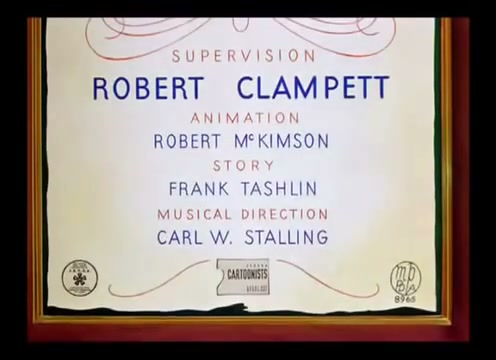
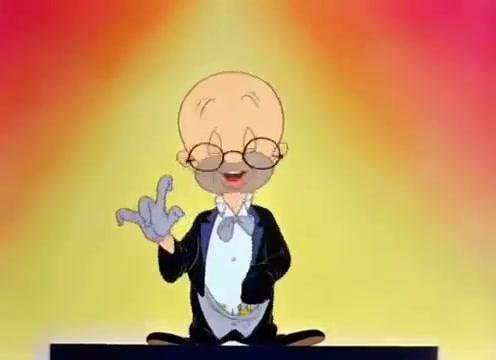
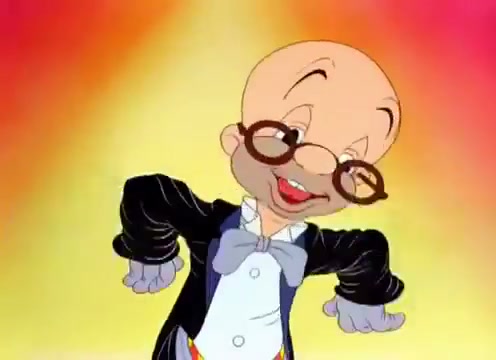
A Corny Concerto unfolds as a playful musical showcase framed by a concert‑hall parody, where Elmer Fudd appears as an overly serious master of ceremonies attempting to introduce two classical pieces with more dignity than success. The short presents its world as a theatrical stage where familiar characters step into new roles, blending woodland mischief with graceful water‑side imagery. Each segment uses music as its backbone, allowing the action to rise and fall with the rhythm of the waltzes, creating a light narrative structure built around movement, timing, and visual interpretation rather than traditional storytelling. The characters are animated with the energetic elasticity typical of the era, shifting effortlessly between slapstick comedy and stylized musical performance. Bugs Bunny, Porky Pig, and a determined hunting dog bring lively physical humor to the first sequence, where the chase becomes a dance shaped by Strauss’s sweeping melodies. The second sequence shifts to a gentler tone, following a small black duckling whose attempts to join a family of elegant swans create a contrast between awkward enthusiasm and refined choreography. The pacing remains brisk throughout, with each gag timed to musical cues and each character’s personality expressed through motion rather than dialogue. The visual tone blends exaggerated expressions, rhythmic posing, and theatrical staging, giving the short a polished yet playful atmosphere that mirrors the structure of the concert it parodies. Created during a period when animated shorts frequently experimented with music‑driven storytelling, the film stands as a notable example of how studios responded to the popularity of large‑scale musical features by crafting their own comedic interpretations. Its use of well‑known classical pieces, combined with the studio’s signature humor, makes it both a parody and a celebration of musical animation. Today, the cartoon remains interesting for its inventive staging, its confident blend of comedy and orchestration, and its ability to reinterpret familiar characters through the lens of musical performance. Its lively animation and clever musical synchronization continue to make it a standout entry in the history of mid‑century theatrical cartoons.
Metadata
- Title: Bugs Bunny: A Corny Concerto
- Year: 1943
- Studio: Leon Schlesinger Productions
- Runtime: 7m 58s
Related Cartoons
Support the Archive
These links help support the site at no extra cost.
Search this cartoon on AmazonSearch this cartoon on eBay