Gabby King for a Day (1940)

About This Cartoon
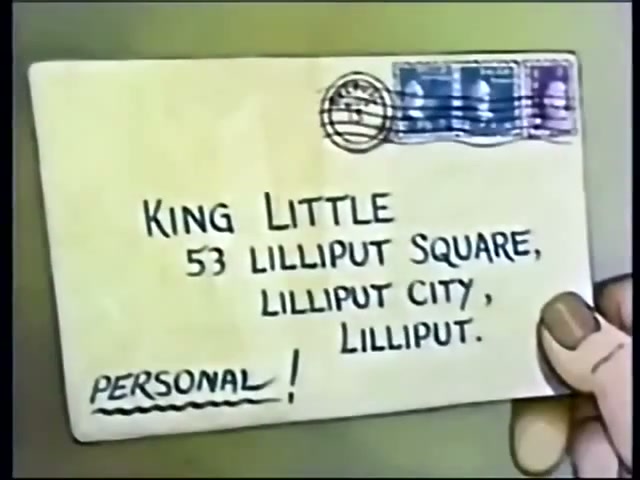
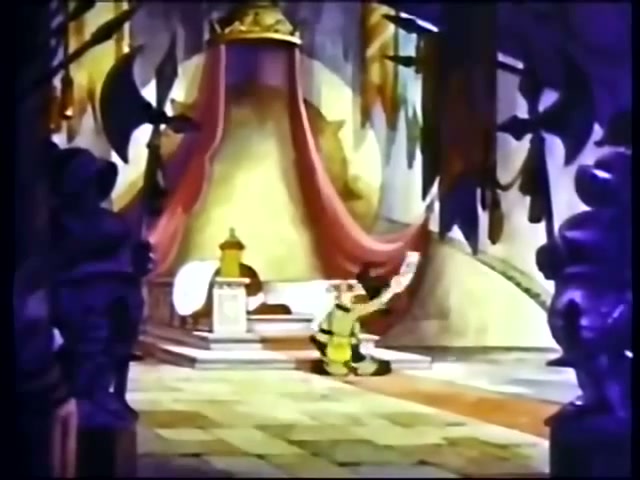
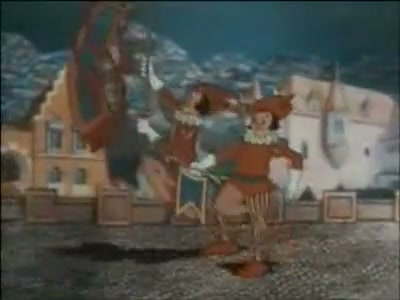
Gabby steps into the royal world of Lilliput in this spirited Fleischer short, where a simple delivery job turns into a whirlwind of misunderstanding, panic, and comic bravado. The cartoon begins with Gabby arriving at the palace to deliver an important letter to King Little, only to find the monarch preoccupied. While waiting, Gabby’s curiosity gets the better of him and he briefly tries on the royal regalia, a moment of playful vanity that sets the tone for the misadventures ahead. Once the King reads the ominous message warning that someone intends to “shoot” him, he hastily appoints Gabby as a temporary stand‑in, hoping to avoid danger. Unaware that he has become a decoy, Gabby takes the role with nervous enthusiasm, stumbling through the palace as he imagines threats lurking around every corner. The animation showcases Fleischer Studios’ signature blend of rounded character designs, expressive timing, and fluid motion, with Gabby’s exaggerated reactions driving much of the humor. His frantic attempts to defend himself—battling suits of armor, tripping over furniture, and misinterpreting harmless objects as deadly traps—highlight the studio’s talent for physical comedy rooted in personality. The pacing remains brisk, moving from one gag to the next as Gabby’s fear fuels increasingly chaotic scenarios. King Little, though less prominent, provides a steady counterpoint with his mix of royal dignity and exasperation, while the palace setting offers ample opportunities for visual play. The final twist, involving a harmless photographer mistaken for an assassin, brings the short to a lighthearted close and reinforces the theme of overblown worry meeting mundane reality. Produced as the first entry in the Gabby series following the character’s introduction in Gulliver’s Travels, this cartoon reflects Fleischer Studios’ efforts to expand their roster with new personalities and comedic styles. It captures a transitional moment in early 1940s animation, when studios were refining character‑driven humor and experimenting with Technicolor’s vibrant palette. Today, the film remains notable for its energetic slapstick, its charmingly anxious protagonist, and its place in the evolution of Fleischer’s storytelling approach, offering a lively snapshot of a studio exploring new creative territory.
Metadata
- Title: Gabby King for a Day
- Year: 1940
- Studio: Fleischer Studios
- Runtime: 7m 1s
Related Cartoons
Support the Archive
These links help support the site at no extra cost.
Search this cartoon on AmazonSearch this cartoon on eBay