Little Boy Blue (1936)
About This Cartoon
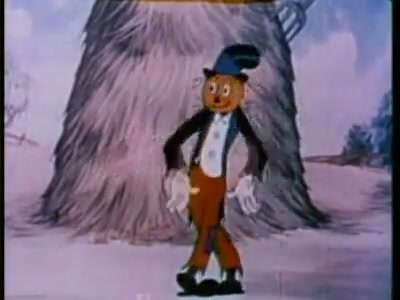
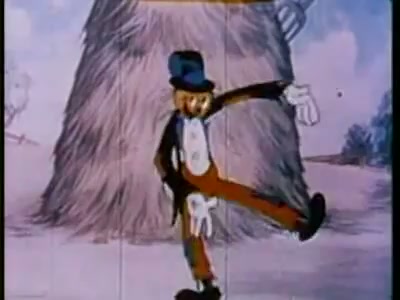
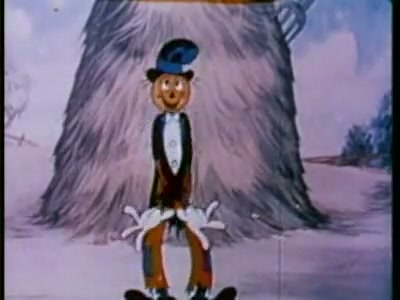
Little Boy Blue unfolds in a lively nursery‑rhyme village where Little Bo Peep has lost one of her sheep, prompting her to seek help from Little Boy Blue, who is supposed to be standing guard but has dozed off on the job. Their search quickly turns chaotic when a mischievous black sheep begins teasing the flock with exaggerated dance moves, unknowingly attracting the attention of the Big Bad Wolf lurking nearby. The Wolf seizes the opportunity to snatch one of the white sheep and retreats to his den, setting the stage for a rescue mission led by Boy Blue, Bo Peep, and a spirited scarecrow who springs to life to join the chase. The premise blends familiar storybook characters into a single adventure, using music, movement, and playful exaggeration to propel the action. The animation reflects the vibrant Cinecolor palette and expressive character designs characteristic of Ub Iwerks’ ComiColor series, giving the short a warm, storybook charm. Characters move with rhythmic, dance‑like timing, especially the black sheep, whose energetic routine becomes one of the cartoon’s most memorable comedic beats. The Wolf is portrayed with broad, theatrical gestures—slinking, leering, and reveling in his own menace—while the scarecrow’s loose, floppy movements add a layer of physical comedy to the rescue. The pacing is brisk, shifting quickly from musical interludes to moments of danger, with visual gags built around exaggerated reactions, slapstick chases, and the Wolf’s increasingly frantic attempts to fend off his pursuers. The short balances tension and humor without drifting into darkness, keeping the tone light even as the heroes race to save the stolen sheep. Produced in 1936 near the end of the ComiColor run, the film reflects a period when Iwerks was experimenting with color processes and adapting well‑known nursery rhymes into musical shorts. Its blend of fairy‑tale characters, lively music, and expressive animation showcases the studio’s strengths during a transitional moment in early color filmmaking. Today, Little Boy Blue remains notable for its charming visual style, its playful reinterpretation of classic characters, and its place within the broader legacy of Iwerks’ contributions to early American animation.
Metadata
- Title: Little Boy Blue
- Year: 1936
- Studio: UB Iwerks
- Runtime: 8m 18s
Related Cartoons
Support the Archive
These links help support the site at no extra cost.
Search this cartoon on AmazonSearch this cartoon on eBay