Tom Thumb (1936)
About This Cartoon
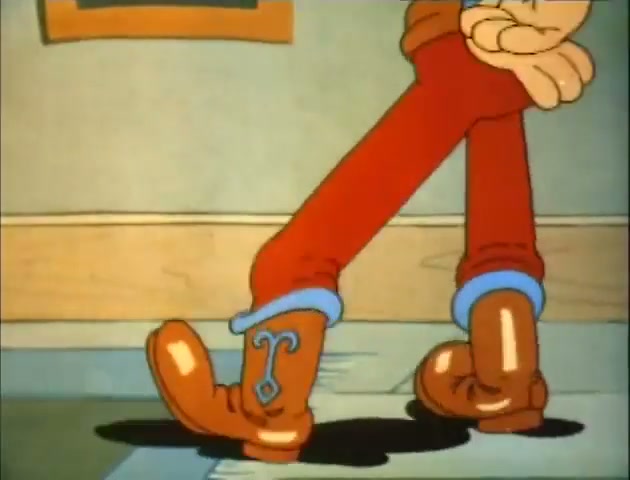
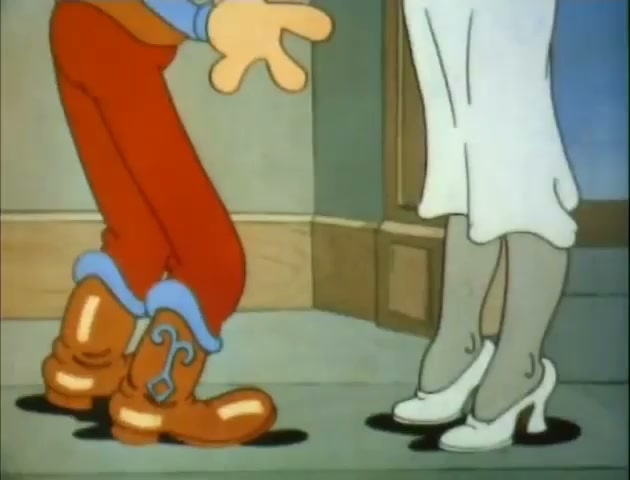
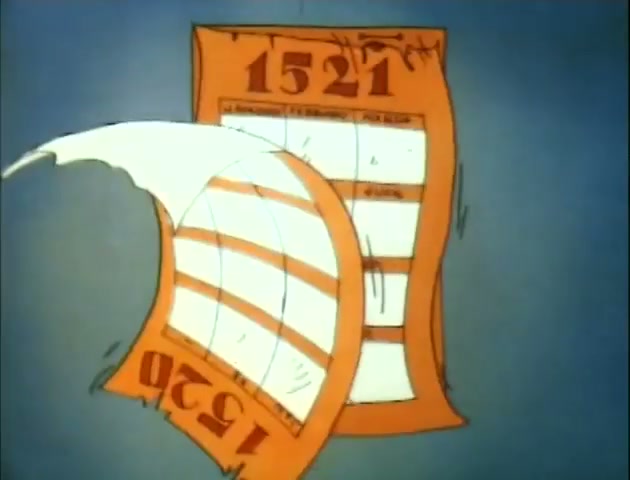
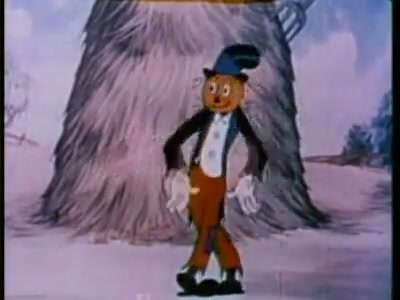
Tom Thumb begins with the arrival of a tiny boy delivered by a stork to a surprised farm couple, who quickly discover that raising a child no bigger than a hand brings both joy and constant mischief. Though loved, Tom’s size makes everyday life a challenge, and his curiosity frequently leads him into trouble, from slipping into household objects to wandering into places far beyond his parents’ control. His adventurous spirit eventually carries him outdoors, where a simple fishing trip turns into a perilous journey as he is swallowed, lost, and tossed between creatures far larger than himself. Despite these dangers, Tom’s determination and quick thinking guide him through each predicament, giving the short a playful sense of escalating wonder. The animation reflects the warm, storybook aesthetic of Ub Iwerks’ ComiColor series, using soft Cinecolor tones and rounded character designs to create a gentle fairy‑tale atmosphere. Tom’s movements are lively and expressive, emphasizing both his fragility and his boldness as he navigates oversized environments. The animals he encounters—whether a goat, a fish, or other barnyard creatures—are animated with exaggerated reactions that heighten the humor without overshadowing Tom’s role as the plucky center of the story. The pacing moves briskly from one imaginative situation to the next, relying on visual comedy, scale‑based gags, and rhythmic action rather than dialogue. This gives the short a light, buoyant tone that keeps Tom’s misadventures engaging without becoming threatening or dark. Produced in 1936 near the end of the ComiColor run, the film reflects Iwerks’ interest in adapting classic tales into compact, visually rich cartoons during a period when early color processes were still evolving. Its use of Cinecolor, along with Iwerks’ multiplane‑inspired depth effects, gives the short a distinctive look that sets it apart from other fairy‑tale adaptations of the era. Today, Tom Thumb remains notable for its charming interpretation of the traditional story, its inventive use of scale‑driven humor, and its place within the broader legacy of Iwerks’ contributions to early American animation.
Metadata
- Title: Tom Thumb
- Year: 1936
- Studio: UB Iwerks
- Runtime: 6m 59s
Related Cartoons
Support the Archive
These links help support the site at no extra cost.
Search this cartoon on AmazonSearch this cartoon on eBay