The Little Stranger (1936)

About This Cartoon
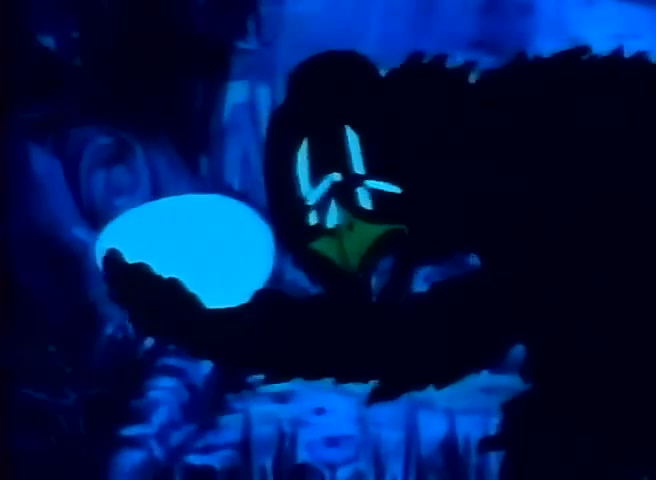
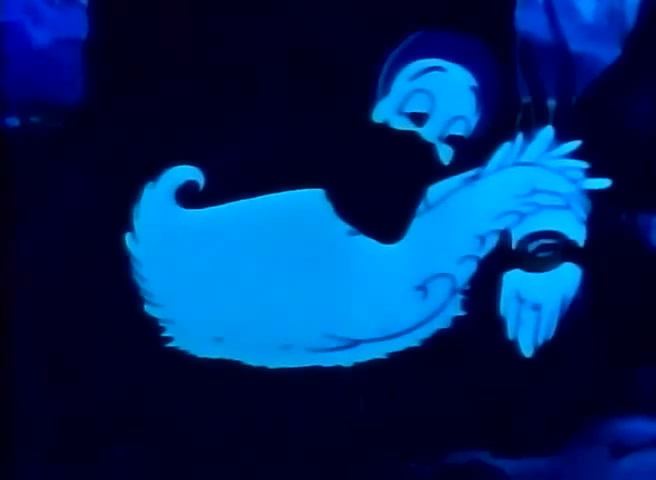
The Little Stranger begins in a peaceful barnyard where a mother duck tends lovingly to her nest, unaware that a wandering hen has secretly slipped one of her own eggs among the clutch. When the eggs hatch, three ducklings emerge alongside a tiny chick who immediately struggles to fit in. Unable to swim, unable to quack, and unable to keep pace with his adopted siblings, the little outsider tries desperately to imitate them, only to be met with confusion and disappointment. After a failed attempt to help him float using makeshift leaf “water wings,” the mother duck sends him away in frustration, leaving the chick heartbroken but determined to find his own way. His ingenuity leads him to fashion a small boat from his broken eggshell, allowing him to rejoin the group just as a hungry hawk swoops down and threatens the ducklings, setting the stage for the chick’s unexpected moment of bravery. The animation reflects Fleischer Studios’ mid‑1930s Color Classics style, with soft watercolor backgrounds, rounded character designs, and gentle motion that give the short a warm, storybook quality. The emotional tone shifts gracefully from light comedy to quiet melancholy and finally to triumphant action as the chick confronts the hawk inside an old mill. The chase through the mill’s gears and shadows showcases the studio’s signature multiplane‑like depth effects, adding visual richness to the climax. The characters’ movements are expressive and rhythmic, especially the ducklings’ buoyant paddling and the chick’s awkward but determined gestures. Humor arises subtly through physical contrasts—the confident swimmers versus the flailing chick—while the final rescue blends tension with satisfying visual payoff. Produced in 1936 during a period when Fleischer Studios was experimenting with color storytelling and emotional themes, the short reflects the era’s fascination with tales of belonging and self‑worth. Its narrative parallels well‑known “outsider” stories of the time, yet it distinguishes itself through its inventive use of color, atmospheric depth, and a protagonist who triumphs not by becoming like the others, but by embracing his own abilities. Today, The Little Stranger remains notable for its gentle message, its charming visual style, and its place within the evolution of the Color Classics series as Fleischer explored more heartfelt, character‑driven storytelling.
Metadata
- Title: The Little Stranger
- Year: 1936
- Studio: Fleischer Studios
- Runtime: 7m 59s
Related Cartoons

Support the Archive
These links help support the site at no extra cost.
Search this cartoon on AmazonSearch this cartoon on eBay