Betty Boop: Minnie the Moocher (1932)
About This Cartoon
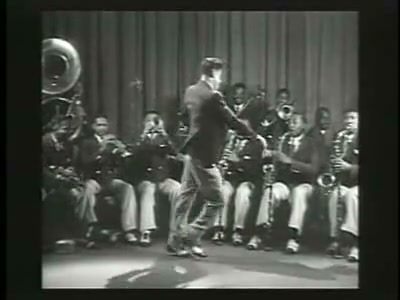
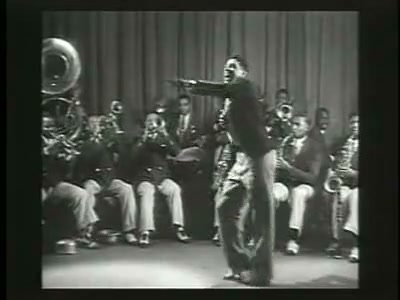
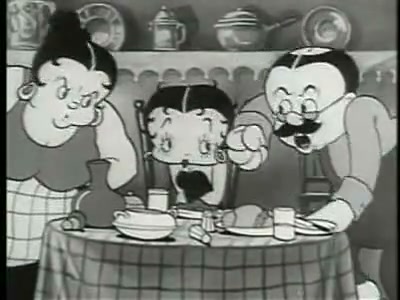
“Minnie the Moocher” opens with a moody, atmospheric setup that blends everyday teenage frustration with the dreamlike surrealism that defined early Fleischer animation. The story begins with Betty feeling misunderstood at home and running away with Bimbo, only for the pair to wander into a dark, cavernous landscape that quickly transforms into a fantastical underworld. The setting shifts from ordinary city streets to a shadowy, expressionistic realm filled with shifting shapes and ghostly figures, creating a tone that is equal parts playful and eerie. This dreamlike descent sets the stage for the cartoon’s central musical performance, which becomes the emotional and stylistic anchor of the short. The characters move with the fluid, rubber‑hose animation that Fleischer Studios was known for, giving every gesture a loose, musical rhythm. Betty remains the emotional center, her expressive movements and wide‑eyed reactions grounding the cartoon even as the world around her becomes increasingly surreal. Bimbo provides a mix of loyalty and comic panic, while the spectral creatures of the underworld deliver the cartoon’s most memorable visual flourishes. The pacing alternates between quiet, atmospheric buildup and bursts of energetic musical animation, with the humor leaning into transformation gags, spooky exaggeration, and the unpredictable logic of early 1930s cartoons. The integration of Cab Calloway’s performance—rotoscoped to give the lead ghostly figure an uncanny, fluid realism—adds a layer of sophistication and musical dynamism rarely seen in animation of the period. Historically, the short stands out as one of the most innovative collaborations between animation and contemporary jazz. It captures a moment when the Fleischer studio was experimenting boldly with music, technology, and mood, using rotoscoping to bring Calloway’s distinctive movements directly into the animated world. Today, it remains notable for its atmospheric design, its seamless blend of music and storytelling, and its willingness to explore darker, more experimental imagery while still maintaining the charm and personality that made Betty Boop a cultural icon.
Metadata
- Title: Betty Boop: Minnie the Moocher
- Year: 1932
- Studio: Fleischer Studios
- Runtime: 7m 46s
Related Cartoons
Support the Archive
These links help support the site at no extra cost.
Search this cartoon on AmazonSearch this cartoon on eBay