Little Lambkins (1940)
About This Cartoon
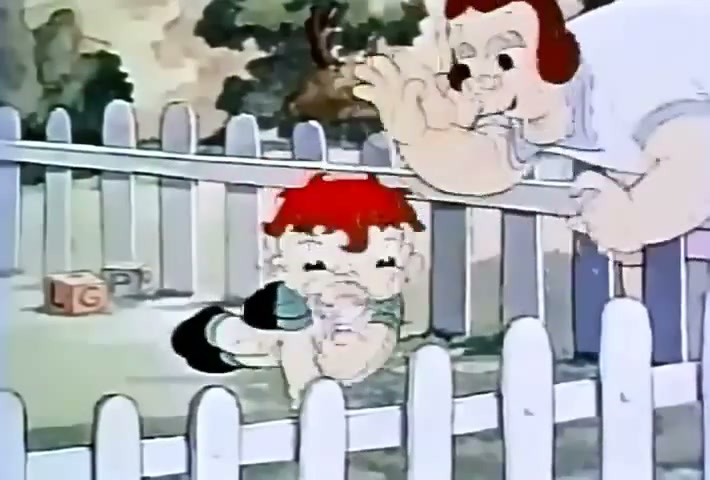
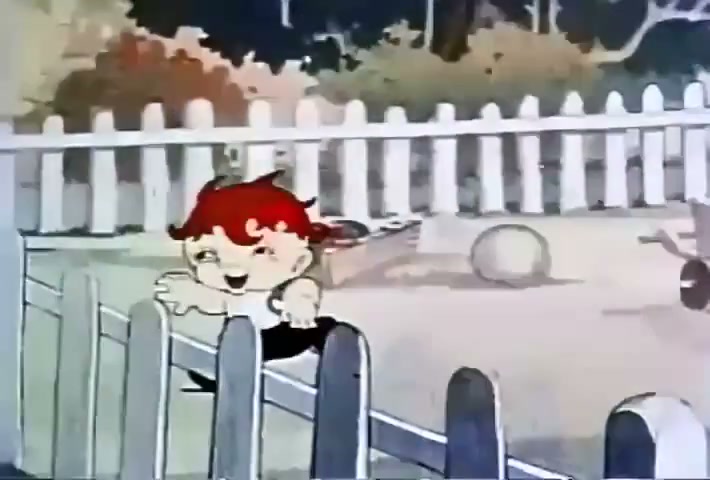
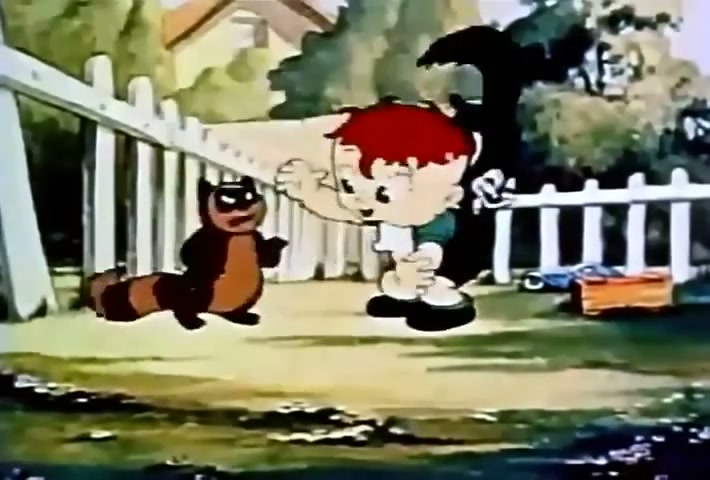
Little Lambkins opens in a peaceful rural setting where a precocious toddler spends his days playing freely among friendly woodland animals, moving with an independence far beyond what his parents realize. His world is warm, open, and full of simple pleasures, especially the companionship of a raccoon and a squirrel who eagerly join him in raiding a nearby watermelon patch. This idyllic routine is abruptly disrupted when his parents announce it is moving day, whisking him away from the countryside and into a modern city home filled with unfamiliar appliances and rigid expectations. The premise centers on Lambkins’ resistance to this sudden change, as he refuses to accept a life separated from the natural world and the friends he loves. The animation reflects Fleischer Studios’ polished late‑1930s Color Classics style, with soft Technicolor hues, rounded character designs, and expressive motion that highlight Lambkins’ mischievous personality. His movements are lively and confident, contrasting sharply with the stiff, orderly behavior expected of him in the new home. The humor emerges from his inventive sabotage of the household’s modern conveniences—turning the icebox into an oven, reversing water taps, and transforming ordinary appliances into chaotic contraptions. These sequences showcase the studio’s talent for visual exaggeration and mechanical gags, with each malfunction escalating the parents’ confusion and frustration. The pacing remains brisk, shifting between gentle countryside charm and frantic domestic comedy, all underscored by a musical score that punctuates Lambkins’ antics with playful energy. Created during a period when Fleischer Studios was experimenting with suburban and domestic themes, this short reflects the era’s fascination with modern technology and the tension between rural simplicity and urban progress. It also highlights the studio’s ability to blend moral undertones with lighthearted humor, presenting a story about belonging, environment, and the emotional impact of sudden change. Today, the film stands out for its imaginative appliance gags, its vivid contrast between country and city life, and its expressive portrayal of a child determined to reclaim the world where he feels most at home.
Metadata
- Title: Little Lambkins
- Year: 1940
- Studio: Fleischer Studios
- Runtime: 6m 19s
Related Cartoons



Support the Archive
These links help support the site at no extra cost.
Search this cartoon on AmazonSearch this cartoon on eBay