Betty Boop: Snow White (1933)
About This Cartoon
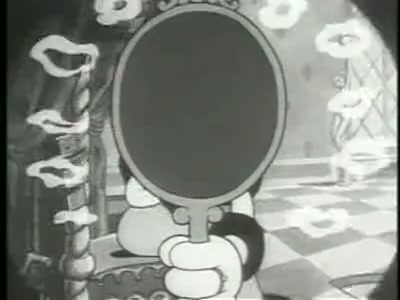
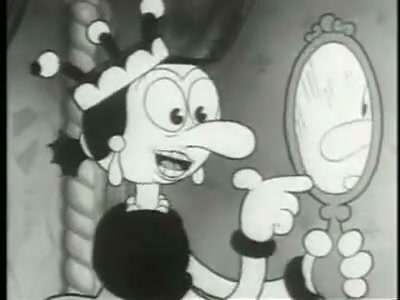
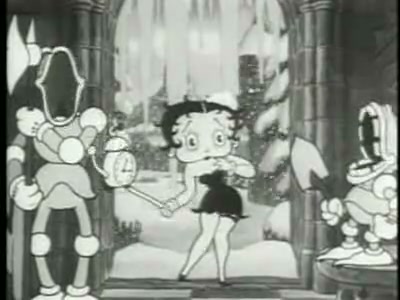
“Snow White” unfolds as a dreamlike journey that begins with Betty cast in the title role, setting off into a wintry landscape after being banished by a jealous queen. The cartoon quickly shifts from a simple fairy‑tale setup into a surreal adventure shaped by shifting environments, fluid transformations, and a sense of unpredictable magic. Betty’s trek through the snowy wilderness leads her into an underground world where the familiar story takes on a far more imaginative tone, blending fantasy with the rhythmic energy that defined the studio’s most ambitious work. The atmosphere is both eerie and playful, creating a setting where music and movement guide the narrative more than traditional dialogue or plot structure. The characters are brought to life with the studio’s signature rubber‑hose animation, giving every figure a loose, musical elasticity. Betty remains the emotional anchor, her expressive gestures and soft design contrasting with the strange, shadowy world she enters. The dwarfs, reimagined as quirky, shape‑shifting companions, add bursts of humor and visual inventiveness, while the queen’s transformation into a monstrous figure provides one of the short’s most striking sequences. The pacing flows like a musical performance, building toward the hypnotic centerpiece featuring a ghostly character whose movements were rotoscoped from Cab Calloway’s live performance. This technique gives the scene an uncanny smoothness, blending jazz rhythm with supernatural imagery in a way that feels both playful and haunting. Historically, the short stands as one of the most celebrated examples of early American animation pushing beyond simple gags into atmospheric, music‑driven storytelling. Its use of rotoscoping, its bold visual experimentation, and its willingness to reinterpret a well‑known tale through a surreal, jazz‑infused lens make it a landmark in the evolution of animated film. Today, it remains notable for its imaginative style, its innovative fusion of music and movement, and its enduring influence on how animation can convey mood, rhythm, and emotion through pure visual expression.
Metadata
- Title: Betty Boop: Snow White
- Year: 1933
- Studio: Fleischer Studios
- Runtime: 7m 4s
Related Cartoons
Support the Archive
These links help support the site at no extra cost.
Search this cartoon on AmazonSearch this cartoon on eBay