Greedy Humpty Dumpty (1936)
About This Cartoon
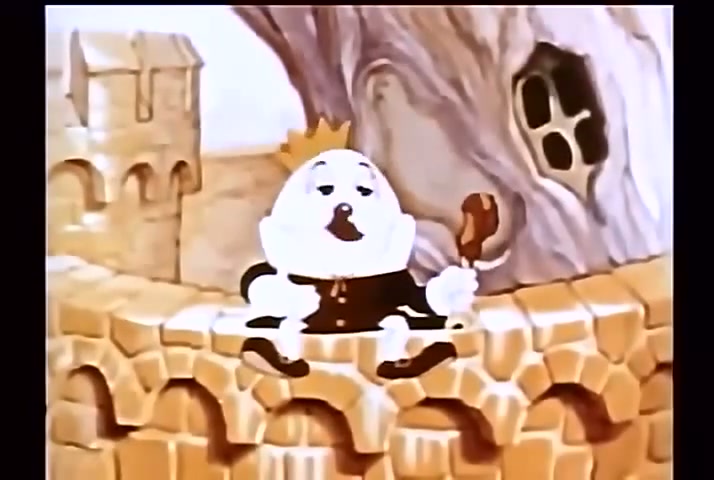
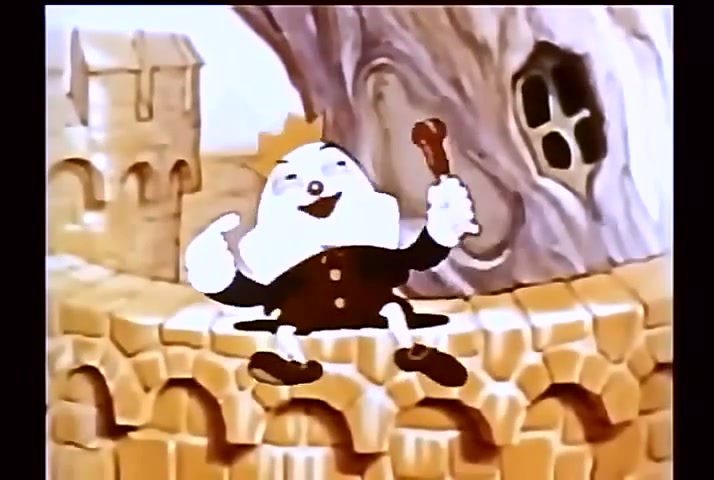
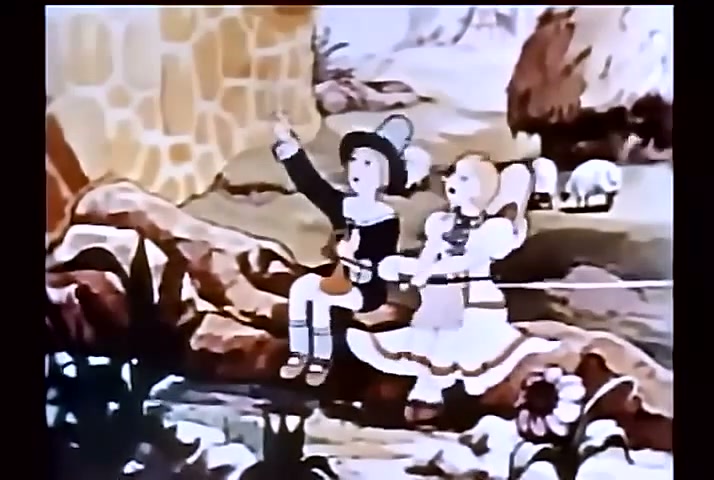
Greedy Humpty Dumpty unfolds in a bright, fairy‑tale kingdom where Humpty, perched high on his wall, enjoys the comforts of fame and fortune while the townspeople below struggle to get by. The cartoon opens with a cheerful parade of villagers who approach Humpty with hopeful smiles, only to be turned away as he hoards his wealth and revels in his own importance. His towering home, decorated with lavish details, becomes a symbol of his inflated ego, setting the stage for a story built around excess, selfishness, and the consequences that follow. The premise is simple but effective: a beloved nursery‑rhyme figure has grown greedy, and the world around him begins to react. The animation reflects Fleischer Studios’ early Technicolor style, with soft pastels, rounded character designs, and fluid motion that give the short a warm, storybook quality. Humpty’s movements are exaggerated and pompous, emphasizing his self‑importance, while the villagers are animated with gentler gestures that highlight their sincerity and good nature. The humor leans on visual contrast—Humpty’s grand displays of wealth versus the modest needs of the townspeople—and on the escalating absurdity of his attempts to protect his riches. Musical cues guide the pacing, shifting from light and playful to frantic as Humpty’s greed spirals out of control. The climactic moment, when his hoarding finally backfires, is staged with broad slapstick energy, allowing the animators to stretch forms and heighten the chaos without ever losing the cartoon’s friendly tone. Created during the mid‑1930s, this short reflects Fleischer’s interest in adapting nursery‑rhyme characters into colorful morality tales, blending familiar childhood icons with themes that resonated during the Depression era. It showcases the studio’s growing mastery of color and synchronized sound, as well as their talent for combining gentle satire with expressive animation. Today, the film remains notable for its vibrant visual style, its playful reimagining of a classic character, and its clear, timeless message about generosity and humility.
Metadata
- Title: Greedy Humpty Dumpty
- Year: 1936
- Studio: Fleischer Studios
- Runtime: 7m 47s
Related Cartoons

Support the Archive
These links help support the site at no extra cost.
Search this cartoon on AmazonSearch this cartoon on eBay